


Crossword Daily
4.7717.00 Reviews
App Specs
- Version
- 1.13.245
- Updated On
- License
- Free
- Downloads
- 100,000+
- Developer
- HiPlay Games
- Categories
- Word
- Platform
- Android
Screenshots
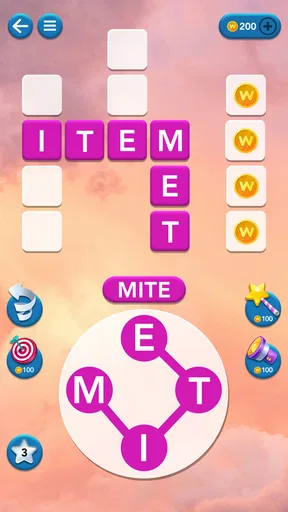
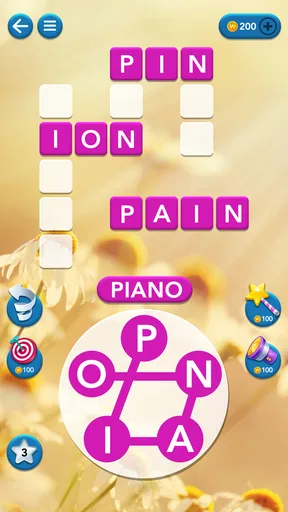
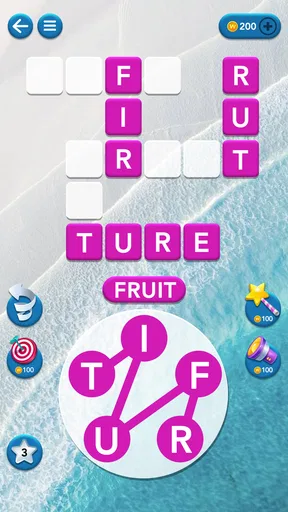
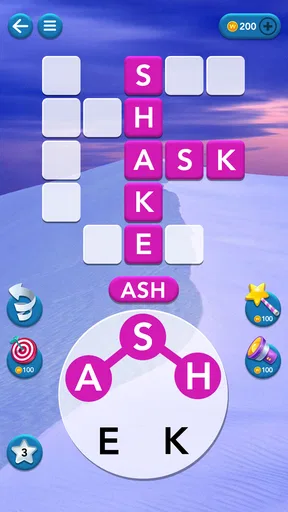
 Analysis by AppCompare
Crossword Daily is the kind of word game I open when I want something more focused than scrolling but less demanding than a full game session. Its basic promise is easy to understand: solve a crossword, check how your thinking is going, and come back for another puzzle. After spending time with it, I found that the appeal is not just filling squares. It is the small cycle of making a guess, seeing whether the answer fits, correcting a mistake, and feeling ready to try again after finishing.
That makes it a natural fit for short breaks, quiet mornings, or anyone who enjoys language puzzles without wanting a complicated interface. It is a free game from HiPlay Games, listed in the word category, and it is suitable for everyone. The current version is 1.13.245, and it runs on Android 7.0 or later. The app has built a solid audience, with more than one hundred thousand installs and a 4.7 average from roughly 4.2 thousand ratings.
How Crossword Daily turns one clue into another session
I find the best way to keep a crossword session enjoyable is to treat each solved clue as a lead, not a command to finish the whole grid at once. A promising crossing can point me toward a section worth tackling next, while a stubborn answer is a good place to pause rather than force a guess. That practical rhythm also makes it easier to tell whether a snag comes from my approach or from something outside the puzzle.
The first action is simple, but the clue choice matters
The first thing I do is read a clue and look for the easiest entry point rather than trying to solve the puzzle in a fixed order. That small change makes a noticeable difference. A short answer, a familiar phrase, or a clue with a clear grammatical hint can give me a few letters quickly. Those letters then make nearby answers easier to recognize, so the board begins to open up instead of feeling like a wall of unrelated questions.
This is where the game feels more approachable than many traditional crossword experiences. I do not need to arrive with specialist knowledge or a large block of uninterrupted time. I can begin with one answer and let the crossing letters guide the next decision. When I am unsure, I leave the clue alone and move to another part of the grid. Returning later with new letters is usually more useful than forcing a guess too early.
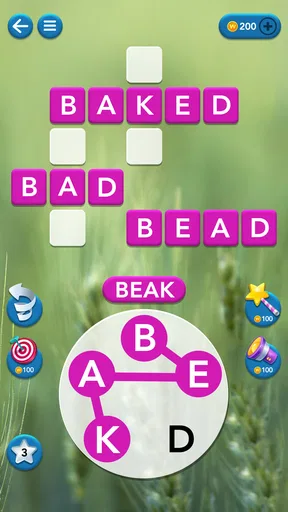
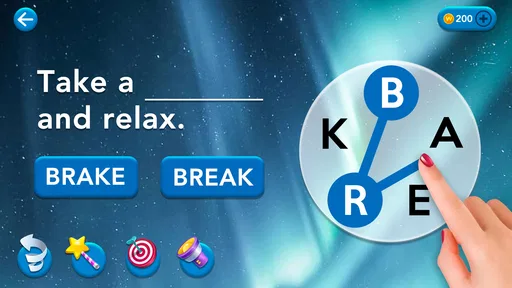
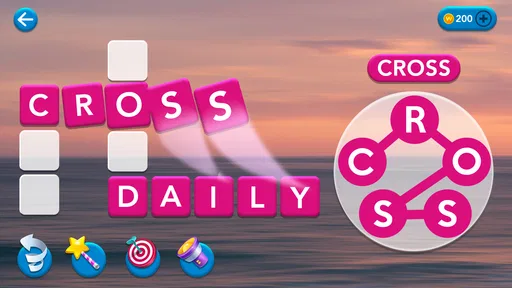
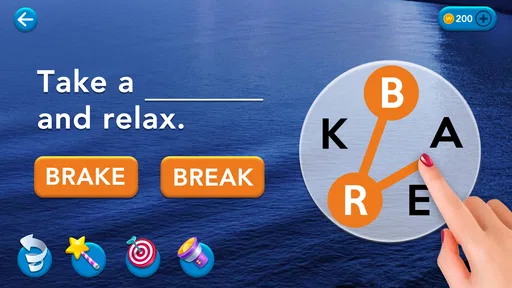
The touch interaction also supports that gradual approach. I can move around the puzzle, enter an answer, and use the surrounding spaces as visual reminders of what still needs attention. The important habit is to treat a difficult clue as a temporary pause, not as a reason to abandon the whole board. Crossword Daily rewards patience because every correct crossing reduces the number of possibilities elsewhere.
For a commuter, this opening works well. I might start a puzzle while waiting for an appointment, solve a handful of clues, and stop without feeling that I have left a complicated story or competitive match unfinished. The game has a self-contained structure, so the first action can be as small as solving one answer. That low commitment is one of its strongest practical qualities.
Worth Reading Before You Choose

Flipboard Shows What News Apps Must Do Beyond the Feed

Switching to Android Auto Means Rethinking Your Driving Routine

Google Calendar Makes a Crowded Week Easier to Manage

Ludo King Makes the Most of the Minutes Between Plans

Baby Panda World Brings Quick Play to Modern Phones, but Its Game Library Feels Busy

ESPN’s Live Game View Makes Following Close Games Easier
Feedback comes from the grid rather than from spectacle
The feedback rhythm is the heart of the experience. A correct answer does more than complete one clue; it supplies letters that influence the answers crossing it. A wrong idea becomes visible when the surrounding words stop making sense, and that gives me a reason to reconsider without needing a long explanation. The board itself becomes the feedback system.
I like this because it keeps the attention on language and deduction. There are no elaborate controls to learn before the puzzle becomes interesting. The useful response to an action is immediate and understandable: letters either help the nearby clues or expose a problem in the current theory. That makes each entry feel like a small test of reasoning rather than a random tap.
The rhythm is especially satisfying when I move from uncertainty to recognition. I may know only part of an answer, enter what seems likely, and then notice that the crossing letters confirm it. That confirmation encourages another attempt. The process is quiet, but it has momentum. One solved clue creates a little confidence, which leads to another clue, which may unlock a larger section of the grid.
There is also a useful discipline in not treating every first answer as permanent. Crossword players know that a plausible word can still be wrong, and this game makes that lesson practical. If several crossings become awkward, I go back to the original guess instead of bending every later answer around it. That is a concrete way to use the puzzle as a thinking exercise: form a hypothesis, test it against new evidence, and revise it when the evidence disagrees.
That said, the feedback is not the same as a guided tutorial. Players who expect the game to teach vocabulary, explain every clue, or provide detailed reasoning may find the experience spare. The satisfaction comes from working things out, not from receiving a lesson after every move. I see that as a strength for experienced crossword fans, but it may feel less welcoming to someone who wants constant assistance.
The reward is a completed pattern, not just a win screen
Finishing a crossword gives me two rewards at once. The obvious one is completion: the empty spaces disappear, and the answers form a coherent whole. The less obvious reward is the memory of how the puzzle changed from difficult to manageable. I remember the clue that blocked me, the crossing letter that helped, and the moment the final section became clear.
That makes the game feel more mentally engaging than a word search where recognition can be almost automatic. In Crossword Daily, I have to connect definitions, spelling, word length, and crossing information. Even when a puzzle is not especially difficult, the activity asks me to stay attentive. It is a good choice when I want a small mental workout that still feels recreational.
The “daily” identity also gives the reward a natural place in a routine. I can treat a puzzle as a morning reset, an evening wind-down, or a short break between tasks. The important point is not to turn it into an obligation. If I approach every session as a test of performance, the relaxed appeal disappears. I get more from it when I use the completed grid as a satisfying stopping point.
For people who enjoy building vocabulary, the reward can be more lasting. A clue may bring back a word I have not used recently, or make me notice a distinction between similar meanings. I would not use the game as a replacement for a dictionary or a structured language course, but it can make word exposure more memorable because each answer is tied to a small act of deduction.
There is a trade-off here. Crossword Daily is rewarding for someone who enjoys the answer-finding process, but it is not likely to satisfy a player looking for character progression, action, multiplayer competition, or a large collection of game systems. Its reward is deliberately narrow. You solve, understand a little more, and feel the clean finish of a completed word puzzle.
Why another session begins after the reset
Once a puzzle is finished, the mental slate is clean. That reset is important because it prevents the game from becoming a long-term project that demands planning or maintenance. I can close it after completing a board and return later without needing to remember a storyline, manage a team, or rebuild a strategy. The next session starts with a new set of clues and the same familiar method.
This reset also explains why the game works in different moods. When I have only a few minutes, I can make partial progress. When I have more time, I can stay with the puzzle until the crossings reveal the harder answers. The session can expand or contract around my schedule, which is more practical than games that punish interruptions or require a large uninterrupted commitment.
Still, the reset may feel too repetitive for some players. The core loop remains crossword solving, and anyone who needs constant novelty may prefer a broader word-game collection or a puzzle title with several modes. I would skip this one if my main goal were rapid variety. Its appeal comes from returning to a dependable structure and finding interest in the changing clues, not from switching between radically different activities.
Another practical question is whether it is suitable for younger players. The age classification is Everyone, so it is positioned as an accessible choice for a broad audience. In my view, the real dividing line is reading ability and patience rather than age alone. A child who enjoys words may find it engaging, while a player who dislikes reading clues may lose interest quickly even if the content itself is broadly appropriate.
How it compares with paper crosswords and other word games
Compared with a newspaper crossword, Crossword Daily is more convenient. I do not need a pencil, an eraser, or a physical page that can be folded and carried around. The digital format makes it easier to pick up during a spare moment and stop when I need to. Paper still has a tactile charm, though, and some players will prefer writing answers by hand or working on a puzzle they can annotate freely.
Compared with a crossword book, the app is better for spontaneous play. A book offers a visible sense of progress and a collection I can keep, while the app feels lighter and more immediate. If I want a long offline-style project that I can revisit physically, a book may be the better companion. If I want the least preparation possible, the phone version wins.
Against quick word games based on anagrams or timed rounds, this game feels slower and more reflective. An anagram game may provide faster bursts of excitement, while Crossword Daily gives me more context for each answer. The clue-and-crossing relationship is the reason to choose it. I would pick this app when I want to think through a word, not simply produce as many words as possible before a timer ends.
It also differs from vocabulary-learning apps. Those usually organize practice around lessons, definitions, or recall exercises. Here, learning is incidental to solving. That can make unfamiliar words easier to remember because they appear inside a puzzle, but it also means the game is not designed as a systematic study plan. Someone preparing for an exam or deliberately learning a language should use a dedicated learning tool instead.
Small habits that make the puzzles more enjoyable
My most useful habit is to separate certainty from possibility. When an answer feels obvious, I enter it confidently. When it is only a guess, I mentally mark it as provisional and check it against the crossings before building too much around it. This prevents one attractive but incorrect word from distorting the rest of the grid.
I also scan for clusters rather than jumping randomly. Solving a clue in the middle of an unfinished section can create several helpful letters at once, while moving constantly between isolated clues may produce little progress. When I feel stuck, I look for the area where one answer could support the most crossings. That turns a vague feeling of difficulty into a more deliberate choice.
A third useful approach is to stop briefly instead of escalating frustration. Because the game works in short sessions, leaving a stubborn clue for a few minutes can be productive. When I return, the clue often looks less intimidating, especially if I have solved answers elsewhere. This is one reason the reset-and-return loop feels natural rather than forced.
I would also avoid buying anything simply because I am stuck. The game is free to start, with in-app purchases ranging from under one dollar to fifty dollars per item. That range makes it worth paying attention before confirming a purchase, particularly if the device is shared with a child. My recommendation is to enjoy the solving process first and treat any optional spending as a personal choice rather than a requirement for the game to make sense.
Who should install it, and who should look elsewhere
I recommend Crossword Daily to people who like clue-based wordplay, want a calm phone game, or need an activity that can fit around an unpredictable schedule. It is especially suitable for someone who enjoys gradual progress: solve one clue, gain a letter, unlock another clue, and eventually complete the pattern. The game does not demand a large time investment before becoming enjoyable.
I would be more cautious about recommending it to players who need rich audiovisual presentation, competitive rankings, deep customization, or a strong narrative. None of those are the reason to choose this title. Its value is concentrated in the crossword itself. If the basic act of reading a clue and testing an answer does not sound appealing, extra time with the app is unlikely to change that.
It is also not my first choice for someone seeking a formal brain-training program. The store summary presents it as a way to train the brain and sharpen the mind, and solving crosswords certainly exercises attention, recall, and word association in a casual sense. I would keep expectations realistic, though: this is a word game first. It offers an enjoyable mental challenge, not a substitute for professional assessment, education, or a structured cognitive program.
My verdict on the complete loop
The loop is clear and satisfying: I choose an approachable clue, enter an answer, use the crossing letters as feedback, complete the grid, and then return when I want another compact challenge. The reward is not loud or complicated; it is the feeling that a pattern has finally made sense. The reset is equally important because it lets the next session begin without baggage.
After reviewing it, I see Crossword Daily as a dependable word game rather than an ambitious all-purpose entertainment app. Its strongest quality is the way each answer creates the conditions for the next one. Its main limitation is also clear: the experience stays close to traditional crossword solving, so players looking for constant mechanical variety may find it narrow.
For me, that focus is a positive. I can open it during an ordinary pause, solve at my own pace, and stop with a finished puzzle or a promising section in progress. With a 4.7 average and a growing install base, it has clearly found an audience that appreciates this kind of accessible challenge. The free entry point makes it easy to try, and the Everyone rating keeps it broadly approachable.
My final recommendation is simple: choose it if you want a calm, repeatable crossword routine with meaningful feedback from every crossing. Skip it if you need action, social competition, or a structured learning course. For everyone in between, HiPlay Games has made a focused little word game whose reason to begin another session is refreshingly straightforward: there is always one more clue that might unlock the whole grid.
Pros
- Fresh crossword puzzle available every day
- Helpful hints make difficult clues easier to solve
- Simple interface is easy for beginners to navigate
- Suitable for short sessions during commutes or breaks
- Improves vocabulary and encourages daily mental exercise
Cons
- Some puzzles may feel too easy for experienced players
- Hints can reduce the challenge and may require in-app resources
- Limited daily content may not satisfy frequent players
- Requires an internet connection for certain features
- Small text or clues may be difficult to read on smaller screens
FAQs for Crossword Daily
What is Crossword Daily?
Crossword Daily is a word-puzzle game designed around a fresh crossword challenge each day. After testing it, the main appeal is its simple format: players read clues, fill in answers, and gradually complete the grid at their own pace. It is suitable for casual players, crossword fans, and anyone looking for a short daily brain-training activity without complicated controls.
How does the daily crossword work?
Each day presents a crossword puzzle containing clues that must be solved across and down. You can tap a square, type an answer, and move through the grid while checking intersecting words for help. The crossing letters make difficult clues easier to solve, although some puzzles may still require a broad vocabulary, general knowledge, and patience. Progress is usually designed to be completed in one sitting or several shorter sessions.
Is Crossword Daily free to download and play?
Crossword Daily can generally be downloaded for free, but the exact availability of advertisements, optional purchases, premium puzzles, or subscription features may depend on the version available for your Android or iOS device. Before installing, it is worth checking the store listing for current pricing and in-app purchase details. Free access may provide the core experience, while extra content or an ad-free mode could require payment.
Can I play Crossword Daily offline?
Some crossword apps allow previously downloaded or currently available puzzles to be played without an internet connection, but online access may still be needed for daily updates, advertisements, synchronization, statistics, or newly released content. If offline play is important to you, check the app’s latest store description and test it after temporarily disabling your connection. Features can vary between app versions and devices.
Is Crossword Daily suitable for beginners?
Crossword Daily is approachable for beginners because the controls are straightforward and the grid provides useful crossing letters as you solve more clues. However, difficulty can vary from one puzzle to another, and certain clues may depend on wordplay, cultural references, or less common vocabulary. New players should use the hint or reveal options carefully, since frequent assistance may reduce the satisfaction of completing the puzzle independently.


